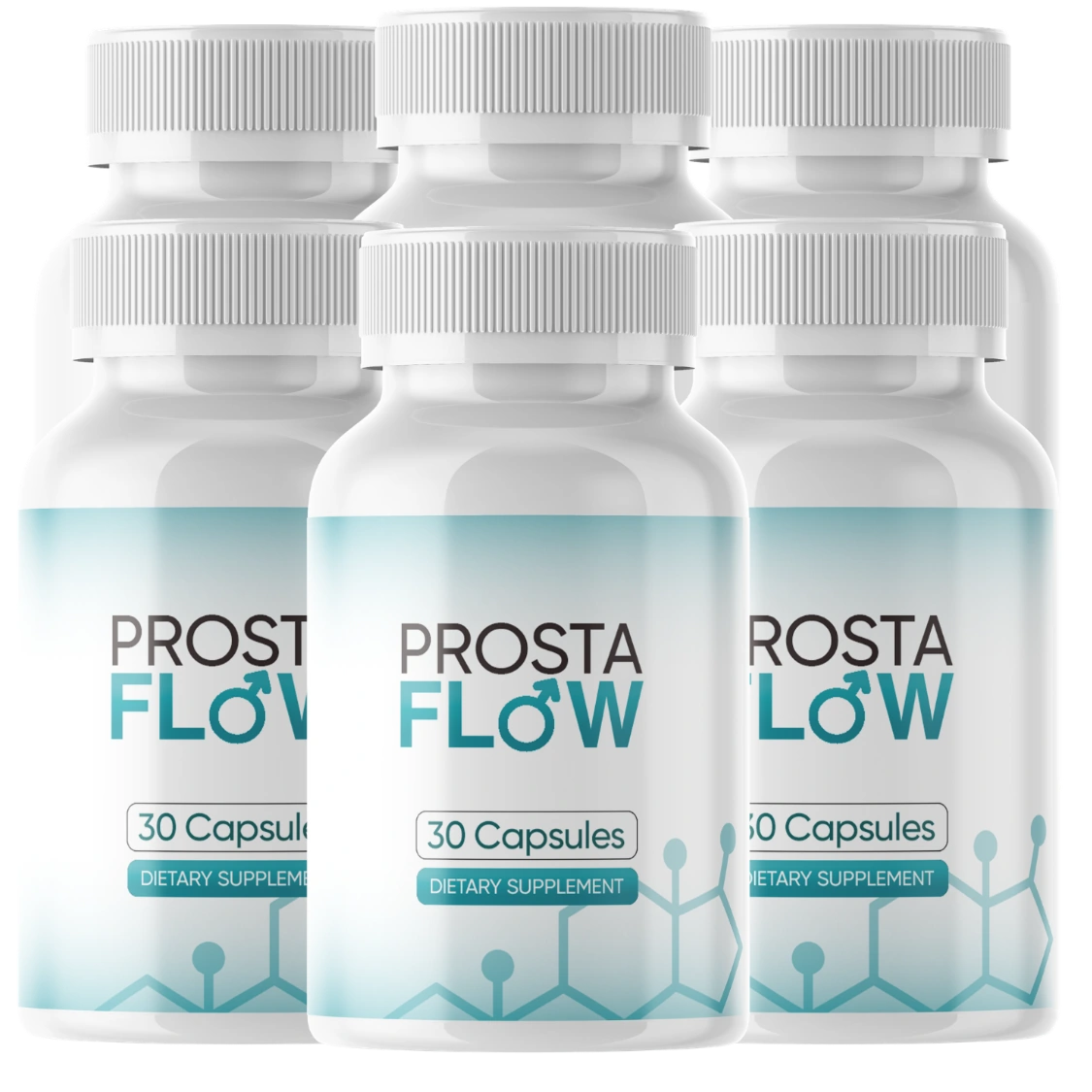
ProstaFlow Official Website › Blog › Beta Alanine At 40 mg
Beta Alanine At 40 mg: The Widest Gap On This Panel
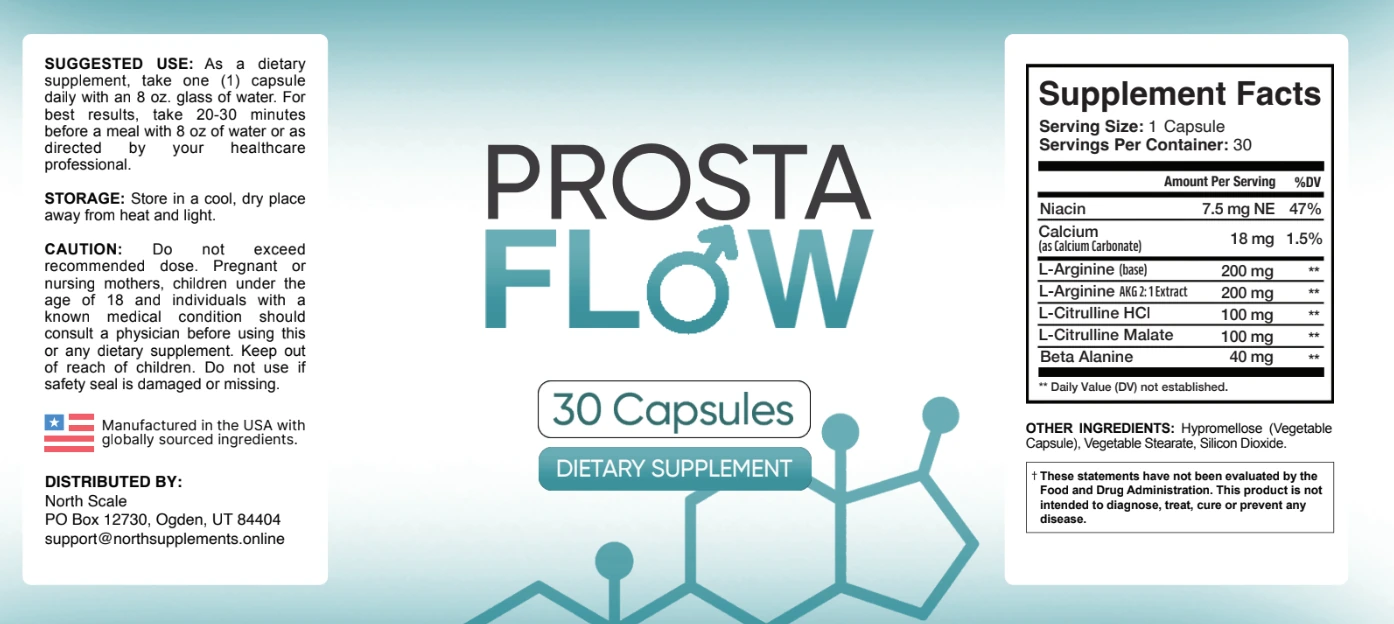
Beta alanine is one of the best-mapped ingredients in sports nutrition. Its position stand asks for 4,000 to 6,000 mg a day for at least two to four weeks. This label carries 40 mg. That is under a hundredth of the low end, and it is the largest distance between a printed amount and its own research anywhere on this bottle.
- Beta alanine is the rate-limiting half of carnosine, a buffer stored in muscle. That is its only well-established role.
- The International Society of Sports Nutrition position stand puts the effective protocol at 4,000 to 6,000 mg a day for two to four weeks or more.
- This panel carries 40 mg a day, which is under one hundredth of the low end of that range.
- Its literature is an exercise literature. No trial of beta alanine has measured a urinary or prostate outcome at any dose.
- The one consistent side effect of beta alanine, a harmless skin tingling, is also dose-dependent and is very unlikely at this amount.
What beta alanine actually does
Carnosine is a small molecule stored in skeletal muscle and built from two pieces: histidine, which an ordinary diet supplies in quantity, and beta alanine, which it does not. Because beta alanine is the scarce half, raising muscle carnosine means swallowing beta alanine. That is the entire rationale for the ingredient and it is a good one.
What carnosine does is buffer acidity. Hard muscular effort produces hydrogen ions, and the resulting fall in pH is part of why a muscle stops co-operating. Carnosine soaks some of them up, which is why the ingredient is studied in sprinting, rowing and repeated high-intensity effort.
Beta alanine is also unusual chemically: the amine group sits on the second carbon rather than the first, which is where the name comes from, and the body does not build it into protein at all.
Why it appears on a panel like this one
Because the formula was assembled from the sports nutrition shelf. Arginine, arginine AKG, citrulline malate and beta alanine are four ingredients that appear together in pre-workout powders, and this panel is that family under a different name. That is a statement about where the ingredients came from rather than an accusation, and it is set out at more length in the how it works page.
The protocol the research established
Beta alanine is better characterised than almost anything else in the supplement cupboard, which is precisely why the comparison below is possible. The International Society of Sports Nutrition position stand gathers the literature into a single protocol, and it is specific about both halves of it: how much a day, and for how long.
| Protocol | Daily amount | Duration | What it was for |
|---|---|---|---|
| The position stand's recommendation | 4,000 to 6,000 mg | At least 2 to 4 weeks | Raising muscle carnosine enough to affect high-intensity exercise. |
| A split-dose comparison | Around 6,000 mg, divided across the day | 4 weeks | Testing whether how the daily total is divided changes the result. |
| The dose-response modelling | A range, modelled | Weeks to months | Describing how muscle carnosine rises with total intake over time. |
| This panel | 40 mg | Whatever the buyer does | Not stated by the label. |
The first three rows are the published exercise literature. The last row is what the printed Supplement Facts panel carries.
The duration is as important as the amount and is more often forgotten. Muscle carnosine is a store, and a store fills slowly. A Bayesian dose-response model built from the trials describes how the concentration climbs with cumulative intake, and the climb is measured in weeks. A comparison of two dosing schedules tested whether splitting the daily total across the day changes the outcome, which is a refinement on top of a protocol that already assumes grams.
Where 40 mg sits against it
The arithmetic is not subtle. Forty milligrams against a four thousand milligram low end is one hundredth. Against the six thousand milligram top of the range it is one hundred and fiftieth.
To put it another way: a person taking one capsule a day would need a little over three months to swallow what the position stand asks for in a single day. Somebody following the protocol for the minimum four weeks would consume, in that month, about seven years' worth of this row.
That is the widest gap on this panel by a wide margin, and stating it in one place properly is more useful than hedging around it in every section of a website.
This website quarantines its criticism into the sections whose job it is: the dosage analysis on the home page, the honest critique sections, and articles like this one. A caveat repeated under every paragraph reads as an argument against buying anything, and it buries the specific point it is trying to make.
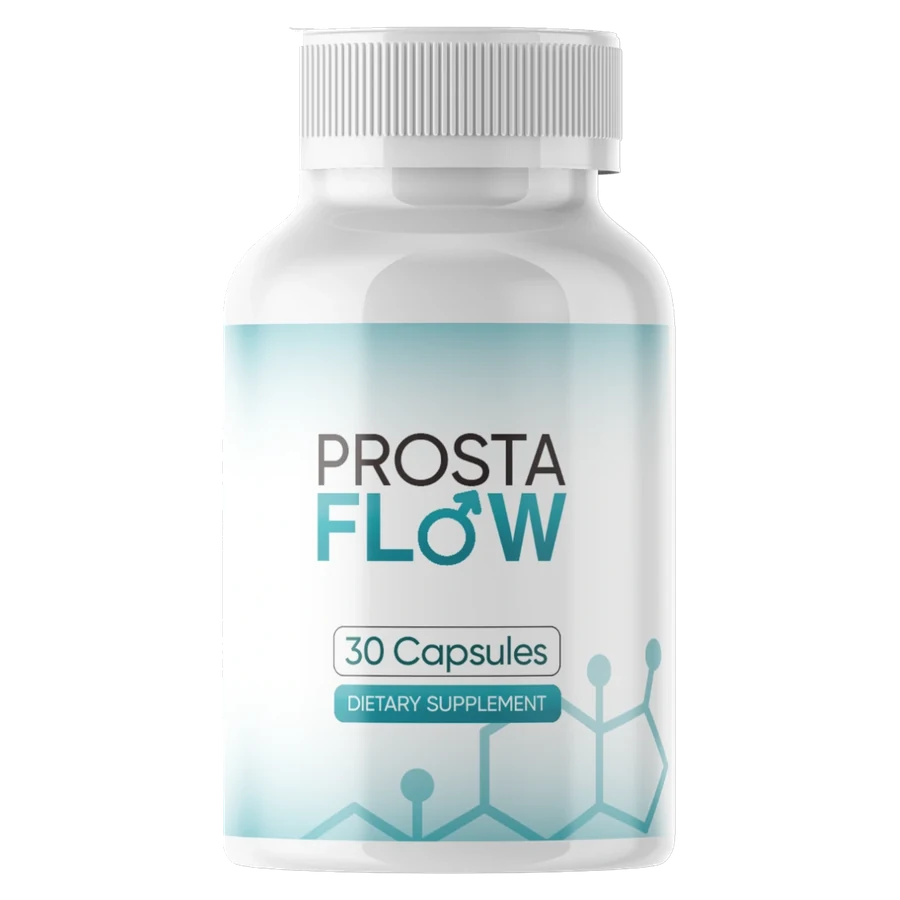
Every ProstaFlow amount is printed, including this one
Seven rows, an amount against each and no proprietary blend, which is why the comparison in this article can be made at all. 60 days from the shipping date to change your mind.
Two bottles $158 · six bottles $294 · 60-day money-back guarantee
Order ProstaFlow On The Official WebsiteOne capsule a day · 30 per bottle · lot PRO-26/PR-5240
Why a row this small exists at all
There are three honest explanations and they are not mutually exclusive.
- Space. A single capsule has a finite volume. Seven ingredients at their trial doses would be several grams and would need a scoop, not a capsule. Something has to give, and what gives is the amounts.
- Cost. Gram-scale ingredients at scale are a different manufacturing proposition from milligram-scale ones, and the retail price would have to move with it.
- The ingredient list itself. A name on a panel does work in a marketplace whether or not the amount behind it does anything, and beta alanine is a recognisable name to anybody who has bought sports nutrition.
The first is the most sympathetic and it is genuinely constraining. A one-a-day capsule is the easiest routine in this category to keep, and that is a real advantage which 'the how to use page makes the case for. The trade is that a one-a-day capsule cannot carry trial-strength amounts of seven things, and a buyer should know which side of that trade they are on.
What the row is not being accused of
- Not concealed. The amount is printed on the panel in plain milligrams. A proprietary blend would have hidden it inside a total and this article could not have been written.
- Not unsafe. A systematic risk assessment of oral beta alanine found the only consistent effect is paraesthesia, a harmless tingling of the skin, and it is dose-dependent. At 40 mg it is very unlikely.
- Not the only small row. Four of the other rows are also well below their trial doses, which is the point of the table in the next section.
- Not evidence of bad faith. This is how a very large share of the multi-ingredient supplement market is formulated, and the label has done more disclosure than most of it.
The same comparison across the whole panel
Beta alanine is the widest gap, not the only one. Setting all seven rows out together is the fairest way to see the shape of the formula.
| Row on this panel | Printed amount | What its own research used | Ratio |
|---|---|---|---|
| Beta Alanine | 40 mg | 4,000 to 6,000 mg a day | Under a hundredth |
| L-Citrulline, both rows | 200 mg of salt weight | 1,500 mg a day in Cormio | Under a seventh |
| L-Arginine, both rows | About 333 mg | 1,500 to 5,000 mg a day pooled | Between a fifth and a fifteenth |
| Niacin | 7.5 mg NE | A nutrient reference intake | Sensible |
| Calcium | 18 mg | A nutrient reference intake | A formulation amount |
The comparison the whole of this website is built to let a reader make. The full version, with every citation attached, is on the home page.
Two rows come out of it well. Niacin at 7.5 mg NE sits under both established upper intake levels and is doing the job a vitamin row should do. Calcium at 18 mg is there to make a powder behave in a filling machine, which is an honest reason for an ingredient to exist. The other five sit between a fifth and a hundredth of the doses their own research used, and the one month-long controlled citrulline trial is the clearest single comparison of the set: 1,500 mg a day against 200 mg of salt weight here.
Three changes that would close the gap
Naming a fault is the cheap half. The useful half is saying what would answer it, and for this row the list is short. Three changes, heaviest first.
- A dose inside the studied range. For this ingredient that means grams, which means a different delivery format. A powder or a multi-capsule serving could carry it; one capsule cannot.
- Or drop the row and say why. A formula that carries six honestly dosed ingredients is a better formula than one carrying seven where the seventh is present in name. Nobody in this market does this, which is a comment on the market.
- Or state plainly what the row is for. If a small amount is included for a formulation reason rather than a physiological one, saying so on the label would be unusual and would be honest.
That the capsule is harmful, that the label is dishonest, or that the other six rows are worthless. It is saying one specific thing: the beta alanine row is under a hundredth of its own research protocol, that can be checked because the amount is printed, and a buyer deciding on this bottle should know it. The dosage section does the same for every other row.
References
- Trexler ET, Smith-Ryan AE, Stout JR, et al. International society of sports nutrition position stand: Beta-Alanine. J Int Soc Sports Nutr. 2015;12:30. PMID 26175657. https://pubmed.ncbi.nlm.nih.gov/26175657/
- Rezende NS, Swinton P, de Oliveira LF, et al. The Muscle Carnosine Response to Beta-Alanine Supplementation: A Systematic Review With Bayesian Individual and Aggregate Data E-Max Model and Meta-Analysis. Front Physiol. 2020;11:913. PMID 32922303. https://pubmed.ncbi.nlm.nih.gov/32922303/
- Church DD, Hoffman JR, Varanoske AN, et al. Comparison of Two beta-Alanine Dosing Protocols on Muscle Carnosine Elevations. J Am Coll Nutr. 2017;36(8):608-616. PMID 28910200. https://pubmed.ncbi.nlm.nih.gov/28910200/
- Dolan E, Swinton PA, Painelli VS, et al. A Systematic Risk Assessment and Meta-Analysis on the Use of Oral beta-Alanine Supplementation. Adv Nutr. 2019;10(3):452-463. PMID 30980076. https://pubmed.ncbi.nlm.nih.gov/30980076/
- Cormio L, De Siati M, Lorusso F, et al. Oral L-citrulline supplementation improves erection hardness in men with mild erectile dysfunction. Urology. 2011;77(1):119-22. PMID 21195829. https://pubmed.ncbi.nlm.nih.gov/21195829/