ProstaFlow Official Website › Blog › Is ProstaFlow Safe for You
Is ProstaFlow Safe for You? 7 Checks on Who Should Not Take It
Quick answer. The bottle excludes anyone under 18 and anyone pregnant or nursing, and it tells people with a known medical condition to ask a physician first. Users of a nitrate or a PDE5 inhibitor should also speak to their prescriber. Seven checks below cover who should not take ProstaFlow, and why.
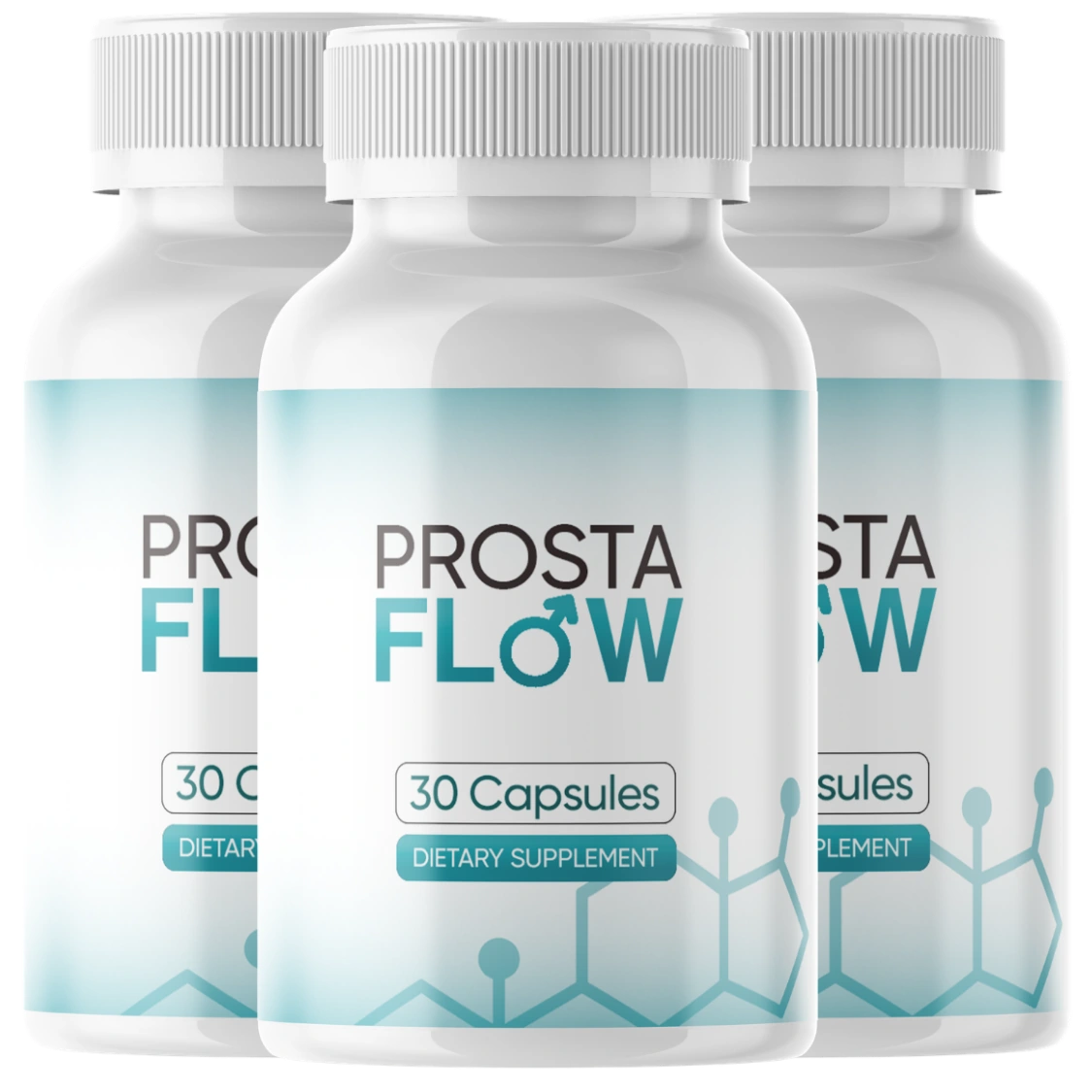
- Adults 18 and over only. The label is written for men.
- The printed caution names pregnant or nursing mothers, children under 18 and people with a known medical condition.
- One clash is worth naming: nitrate medicines and PDE5 inhibitors act on a route that arginine and citrulline also feed.
- Niacin is 7.5 mg NE, below the ceilings of 35 mg in the US and 10 mg in Europe.
- Beta alanine tingling depends on dose, and 40 mg is far below the amounts that cause it.
- Do not use a bottle with a damaged or missing safety seal.
What does the ProstaFlow caution actually say?
The label prints one caution, and we quote it because a paraphrase can change a meaning. It reads: “Do not exceed recommended dose. Pregnant or nursing mothers, children under the age of 18, and individuals with a known medical condition should consult a physician before using this or any dietary supplement. Keep out of reach of children. Do not use if safety seal is damaged or missing.”
That one paragraph carries most of the safety advice. The seven checks below spell out what it means for a real person standing in a kitchen with a bottle.
What are the 7 checks on who should not take ProstaFlow?
Check 1. Are you under 18?
Then no. The label sets 18 as the floor, and it is not a suggestion.
Check 2. Are you pregnant or nursing?
Then no, unless a physician has said otherwise. The caution names both situations.
Check 3. Do you have a known medical condition?
Then ask a physician first. That is the label’s own instruction, and it applies to this or any dietary supplement.
Check 4. Do you take a nitrate or a PDE5 inhibitor?
Then talk to your prescriber before the first capsule. Those medicines use the nitric oxide route that arginine and citrulline also feed.
Check 5. Are you sensitive to an inactive ingredient?
The other ingredients are hypromellose, vegetable stearate and silicon dioxide. If you know you react to any of them, read the bottle and ask your doctor.
Check 6. Are your urinary symptoms new, worse, bloody, painful or feverish?
Then be assessed. Those signs call for a diagnosis, not a supplement. MedlinePlus explains why more than one cause is possible.
Check 7. Is the safety seal intact?
If it is damaged or missing, do not open the bottle. Photograph it and call the order desk the same day.
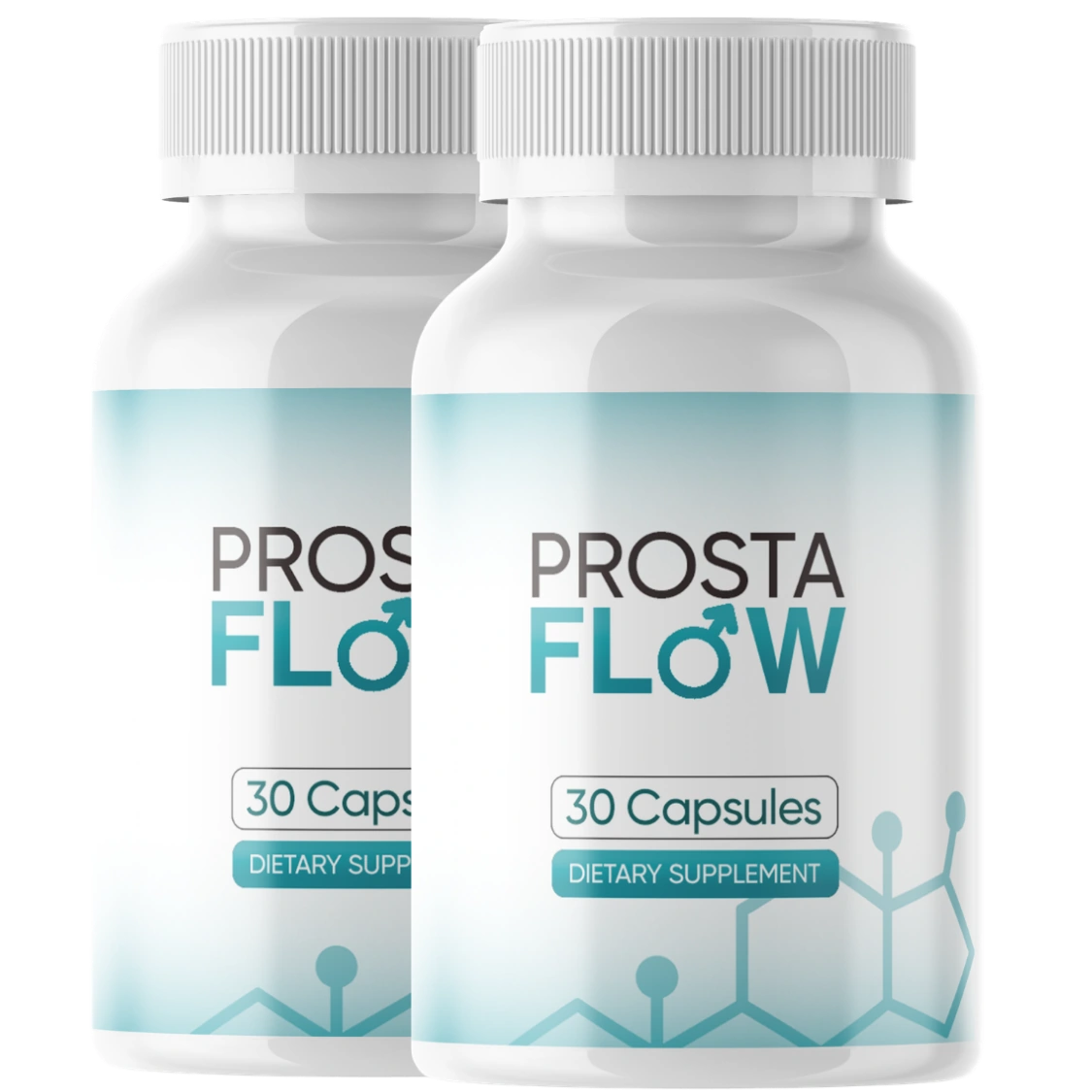
All seven checks clear?
If so, the official checkout lists today’s price and a refund window, both printed before you pay.
See today’s price and guaranteeThis website sells ProstaFlow and earns money when you order. How that works. The checkout shows the current price.
What is known about each row at this dose?
| Row | At much higher doses | At this amount |
|---|---|---|
| Arginine, 200 mg | Upset stomach and a blood pressure effect in the dose trials | Neither is expected from 200 mg. |
| Arginine AKG, 200 mg | Well tolerated at 12 g a day in one safety study | A sixtieth of that study dose. |
| Citrulline HCl, 100 mg | No steady pattern of problems in controlled trials | Far under the 1.5 g given in Cormio’s trial. |
| Citrulline malate, 100 mg | Occasional stomach discomfort at the 8 g exercise dose | One eightieth of that dose. |
| Beta alanine, 40 mg | A harmless skin prickle at doses in grams | Very unlikely at 40 mg. |
| Niacin, 7.5 mg NE | Flushing at hundreds of milligrams | Below both upper limits. |
| Calcium, 18 mg | Constipation at gram doses | Roughly a fiftieth of a day’s calcium. |
The middle column reports what trials found at their own doses. It is not a prediction about this capsule.
Read down the right-hand column. Almost every warning attached to these ingredients comes from a much bigger dose than this panel holds. A small dose stays small, whichever question you ask of it.
What about niacin flushing, tingling and allergies?
Niacin first. The row is 7.5 mg NE, which the label lists as 47% of the Daily Value. The upper limit, set by a meta-analysis named in our sources, is 35 mg a day in the United States and 10 mg in Europe, and this row sits below both. The hot flush people link to niacin belongs to far larger amounts.
Beta alanine tingling is a prickling of the skin, and it depends on dose. It begins within an hour and passes within about an hour. A systematic risk assessment of oral beta-alanine found it to be the only consistent effect, and it comes with servings measured in grams, while this row is 40 mg. If you do feel it, look first at anything else you took that day.
An allergy to beta alanine is a different matter, and we found nothing published on it. If you ever see a rash spread, swelling, trouble breathing or chest pain after a capsule, stop and get urgent care. That is a medical emergency, not a supplement question.
Can women take it, and can you take it every day?
The label is written for men and rules out anyone pregnant or nursing. It sets no other restriction by sex, and the product is sold into a male category. Anyone who is unsure should ask a physician, and we have nothing to add beyond what the bottle says.
Daily use is the intended pattern. The label sets one capsule a day, and the caution says not to exceed it. Doubling up would still leave every amino acid row well below its trial dose, so it would buy very little and go against the bottle.
What should you do if something goes wrong?
- Stop taking it. Nothing needs tapering.
- Write down what happened, the time you took the capsule and what else you took.
- Get care if it is more than trivial, and take the bottle with you.
- Call the order desk on +1 (877) 257-0710 about the order side.
- Report a serious problem to the authorities, independently of the seller.
The NIH Office of Dietary Supplements and NCCIH both explain what supplements are and are not regulated to do, and where consumer reports fit.
Frequently asked questions
Is ProstaFlow safe?
No side effect is claimed on the label, and none is common at these amounts. It is not right for everyone. Read the caution and ask a physician if you have a medical condition.
Who should not take ProstaFlow?
Anyone under 18, anyone pregnant or nursing, and anyone on a nitrate or PDE5 inhibitor who has not asked their prescriber. People with a known medical condition should consult a physician first.
Can women take ProstaFlow?
The label is written for men and rules out anyone pregnant or nursing. It sets no other restriction by sex.
Can I take ProstaFlow every day?
Yes, at one capsule a day. The label says not to exceed the recommended dose.
Will ProstaFlow make me flush or tingle?
Niacin flushing and beta alanine tingling need far larger doses than the 7.5 mg NE and 40 mg printed here, so both are unlikely.
What if I think I am allergic to something in it?
Check the other ingredients on the bottle: hypromellose, vegetable stearate and silicon dioxide. No beta alanine allergy information is published. Seek urgent care for swelling, breathing trouble or a spreading rash.
Our view
Safety questions deserve plain answers. The label gives most of them, in one paragraph. Follow it, and ask a physician if any word in it applies to you.
The one interaction we would not skip is the nitrate and PDE5 inhibitor one. It costs a sentence to raise and it could matter a great deal.
ProstaFlow is a dietary supplement, not a drug, and the FDA has approved no supplement. It does not replace an assessment of symptoms.
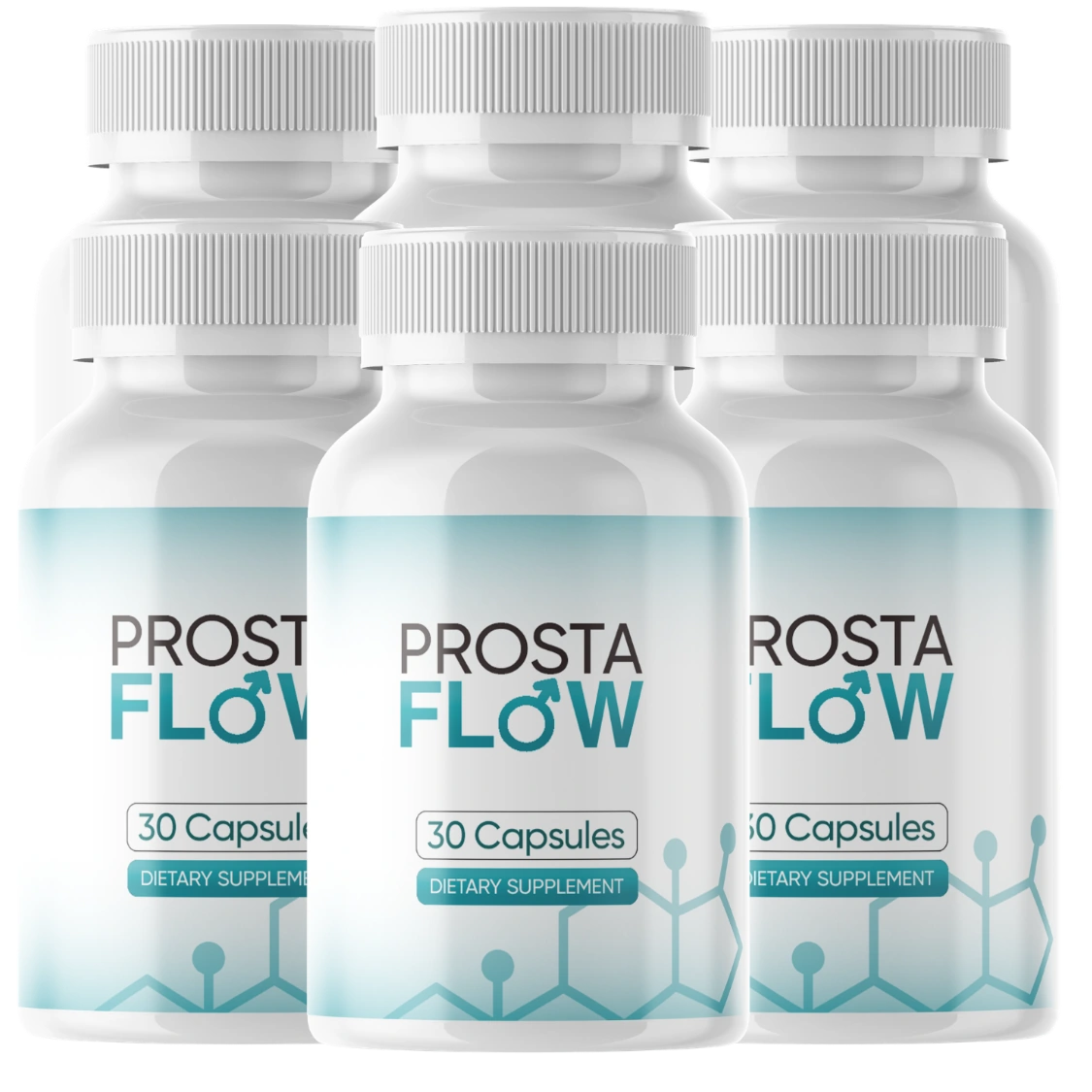
Cleared with your doctor?
Then the official checkout is a calm next step. It shows the live price and the refund terms in one place.
See today’s price and guaranteeThis website sells ProstaFlow and earns money when you order. How that works. The checkout shows the current price.
Sources named on this website
- MedlinePlus: https://medlineplus.gov/enlargedprostatebph.html
- The meta-analysis that set a tolerable upper intake level for niacin: https://pubmed.ncbi.nlm.nih.gov/28541582/
- A systematic risk assessment of oral beta-alanine: https://pubmed.ncbi.nlm.nih.gov/30980076/
- The trial that measured the nitrate interaction: https://pubmed.ncbi.nlm.nih.gov/10898408/
- A review of the side effects of nitrates: https://pubmed.ncbi.nlm.nih.gov/16907656/
- The NIH Office of Dietary Supplements: https://ods.od.nih.gov/factsheets/WYNTK-Consumer/
- NCCIH's guidance on using supplements wisely: https://www.nccih.nih.gov/health/using-dietary-supplements-wisely
Last updated . Reviewed October 16, 2026 by Dr. Anurag Chahal, MD.